
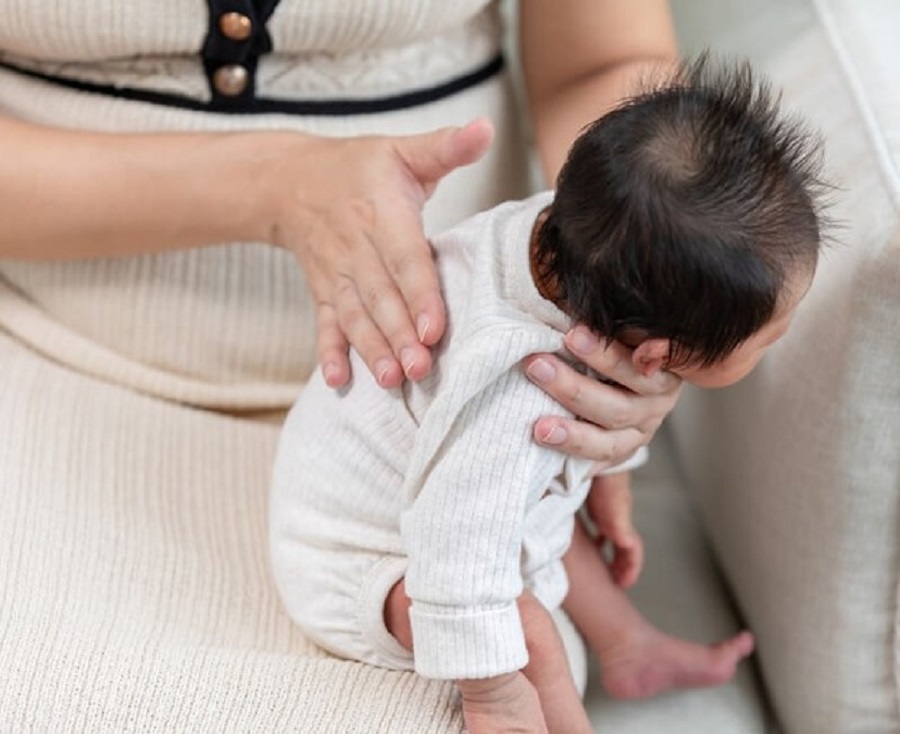

Hiccups are one of the most common and harmless occurrences in newborns, yet they still leave many parents wondering what more they can do to keep their little ones calm and comfortable. While hiccups are usually a natural reflex caused by an immature diaphragm, certain choices in your baby’s daily routine—including the baby products you use—can make a surprising difference. From feeding tools to skincare essentials, thoughtful product selection can reduce triggers and ensure your baby stays soothed, relaxed, and hiccup-free.
In this guide, we explore the unexpected connection between everyday baby essentials and hiccup prevention. Parents often focus on feeding techniques or burping sessions, but fewer consider how textures, fragrances, fabrics, and even lotions play a role in overall comfort. By choosing the right products, you create a calming environment that helps minimize discomfort and reduces the frequency of hiccups.
Before we dive deeper, you can explore a wide range of trusted Baby Products designed specifically for delicate newborn needs.
Understanding Why Babies Get Hiccups
Newborn hiccups are usually caused by diaphragm spasms, often triggered by:
- Overfeeding or feeding too quickly
- Swallowing air during feeding
- Sudden temperature changes
- Excitement or overstimulation
- Gastroesophageal reflux in some cases
While harmless, hiccups can sometimes disrupt feeding or sleep. This is why creating a comfortable environment is essential—not only for soothing hiccups but also for promoting overall well-being.
For helpful parent tips, you can read more about How to stop baby hiccups.
The Surprising Role Baby Products Play in Preventing Hiccups
Most parents don’t realize that everyday products—from feeding bottles to bath soaps—can indirectly affect hiccup frequency. Here’s how the right choices support comfort and reduce irritation or overstimulation, which can sometimes trigger hiccups.
1. Feeding Tools That Minimize Air Intake
One of the biggest contributors to hiccups is swallowed air. Using the right feeding products can dramatically reduce this.
Anti-colic bottles
Designed with specialized vents, these bottles help control milk flow and prevent babies from gulping air. When less air enters the stomach, the diaphragm remains calm, minimizing spasms.
Slow-flow nipples
These nipples ensure newborns drink at a manageable pace, especially during early months. Slow feeding reduces choking, coughing, and gulping—all potential triggers of hiccups.
Soft-grip, ergonomic feeding positions
Choosing feeders with comfortable designs allows parents to maintain ideal feeding angles, helping babies avoid swallowing excess air.
2. Skincare Products That Soothe, Not Startle
Sudden sensory changes—like strong scents, harsh chemicals, or temperature shifts—can overstimulate babies, sometimes leading to hiccups. That’s where gentle, baby-friendly skincare makes a difference.
Mild body washes and shampoos
Products with balanced pH, no harsh fragrances, and natural or hypoallergenic ingredients ensure bath time remains a calming experience rather than an overwhelming one.
Baby lotions for post-bath comfort
Applying gentle lotion keeps skin soft and hydrated, but more importantly, the routine itself becomes relaxing. Babies respond well to predictable, soothing actions, reducing the chance of startle-induced hiccups.
Warm, comforting bath products
Using warm-water-compatible soaps and bath accessories ensures that babies do not experience sudden temperature drops—one of the common causes of hiccups.
3. Comfortable Clothing and Fabrics That Maintain Body Temperature
A baby’s temperature fluctuates easily. Sudden chills or overheating can confuse their sensitive nervous system, potentially triggering hiccups.
Soft, breathable fabrics
Choose cotton or bamboo materials for swaddles, blankets, and clothing. Breathable fabrics regulate temperature and keep babies comfortable during sleep and feeding.
Proper swaddling products
A snug swaddle helps newborns feel secure and reduces reflexive movements that might irritate their diaphragm.
Season-appropriate layers
Lightweight layers in summer and cozy, warm fabrics in winter ensure your baby stays at an ideal temperature—no sudden cold shocks during changes or feedings.
4. Pacifiers and Teethers That Promote Relaxation
Pacifiers can help relax the diaphragm by encouraging steady sucking patterns. Smooth-textured pacifiers made from medical-grade silicone provide comfort without triggering gag reflexes.
Teethers also support comfort during teething stages, which otherwise cause irritability and heightened sensitivity—both of which can indirectly contribute to hiccups due to crying or swallowing air.
5. Baby Oil and Massage Products That Support Calmness
Many parents underestimate the calming power of a daily massage. Using gentle baby oils designed for delicate skin can help relax muscles, improve circulation, and reduce stress—ultimately creating a peaceful environment that lowers hiccup triggers.
Massages are not only bonding moments but also help regulate breathing and digestion. A relaxed baby is far less likely to experience hiccup episodes.
Tips for Choosing the Right Baby Products for Comfort
When selecting baby products with hiccup prevention in mind, keep these guidelines handy:
- Choose hypoallergenic and dermatologist-tested formulas for skincare.
- Opt for designs that promote natural feeding, such as anti-colic bottles.
- Avoid strong fragrances or chemical additives that may overstimulate.
- Prioritize softness and breathability in fabrics and blankets.
- Maintain consistent routines using calming products like lotions or oils.
Remember, newborns thrive in gentle, predictable environments.
Conclusion
While baby hiccups are completely normal, making thoughtful choices when selecting everyday baby products can help reduce their frequency and ensure overall comfort. Whether it’s gentle lotions, anti-colic feeding tools, soothing bath products, or breathable fabrics, the right essentials play a surprisingly important role in keeping your little one peaceful and content.
By understanding what triggers hiccups—and creating a comforting routine—you can make those tiny diaphragm spasms less frequent and ensure your baby remains happy and relaxed.