
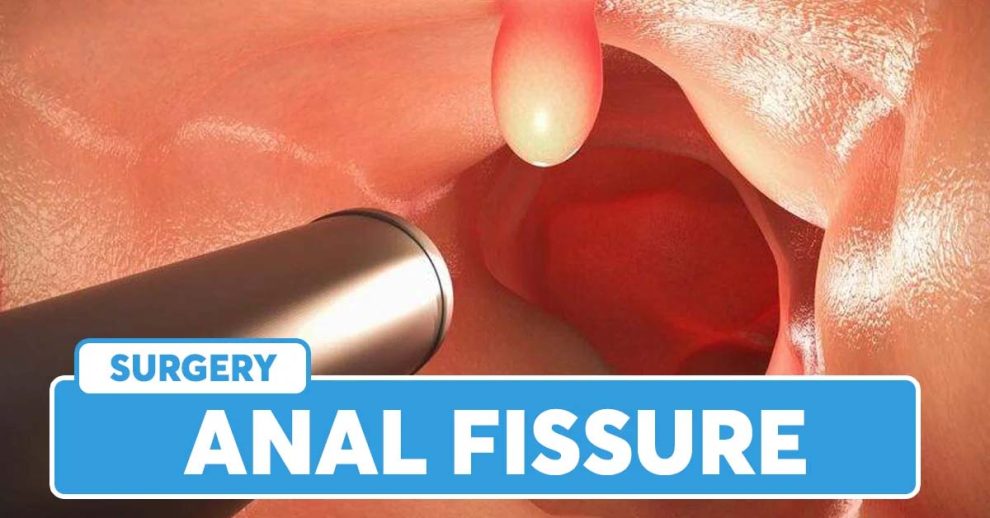

For patients undergoing hernia surgery, the primary focus is naturally on the success of the repair and the healing of the incision. While the surgical site demands attention, true comprehensive recovery extends far beyond the physical location of the repair. A critical, yet often overlooked, component of post-operative care is diligent constipation prevention. Failure to manage bowel health effectively can lead to severe straining, which not only risks compromising the hernia repair but is the leading cause of a painful and debilitating complication: the anal fissure.
Understanding the direct relationship between smooth bowel movements and surgical success is essential for a complete and comfortable recovery. This article delves into why managing your gut health is a non-negotiable step after hernia surgery.
The Surgical Imperative: Avoiding Strain
A hernia occurs when an organ or tissue protrudes through a weak spot in the surrounding muscle wall, most commonly in the abdomen (e.g., inguinal, umbilical). Hernia surgery involves either pushing the protruding tissue back and closing the defect or, more commonly, reinforcing the weak area with surgical mesh.
The Risk of Increased Intra-Abdominal Pressure (IAP)
The goal of post-operative care is to allow the surgical site, stitches, and mesh (if used) sufficient time to heal and integrate without undue stress. Any action that dramatically increases intra-abdominal pressure (IAP) poses a risk to the repair.
Common activities that dramatically increase IAP include:
- Heavy Lifting: Placing excessive strain on core muscles.
- Vigorous Coughing or Sneezing: Though sometimes unavoidable.
- Straining During Bowel Movements: Forcing stool out is equivalent to performing a miniature, sustained Valsalva maneuver, causing IAP to spike.
It is this last point—straining—that connects recovery from hernia surgery directly to the prevention of an anal fissure.
The Vicious Cycle: From Surgery to Anal Fissure
The journey from the operating theatre to the bathroom can set the stage for a painful complication if not carefully managed.
Phase 1: Post-Operative Constipation
Constipation is incredibly common after any major abdominal or groin procedure due to several factors:
- Opioid Use: Pain management protocols often include opioid analgesics. Opioids slow down the movement of the gut (gastrointestinal motility), causing water to be reabsorbed from the stool, making it hard, dry, and difficult to pass.
- Reduced Activity: Post-surgery rest and reduced physical activity naturally slow down bowel function.
- Dietary Changes: Changes in diet, fluid intake, and the temporary avoidance of high-fiber foods can exacerbate the issue.
- Fear of Pain: Patients often subconsciously delay having a bowel movement due to the fear that passing stool will hurt the incision site. This delay allows the stool to become harder.
Phase 2: The Onset of the Anal Fissure
When a patient experiences severe constipation, they often strain heavily to pass a large, hard stool. This forceful passage stretches the anal canal beyond its natural capacity, leading to a small tear or cut—an anal fissure—in the delicate lining of the anus (anoderm).
Phase 3: The Threat to Hernia Repair
If an anal fissure develops, the patient is caught in a painful feedback loop:
- The pain from the fissure causes the anal sphincter muscle to spasm, which prevents healing and makes future bowel movements even more difficult (worsening constipation).
- The pain also makes the patient fearful of passing stool, which leads to further delay and harder stools.
- Ultimately, the patient may resort to straining to overcome the blockage, which directly transmits pressure to the healing hernia surgery site, threatening the integrity of the repair.
Therefore, proactively preventing constipation immediately following hernia surgery is the only reliable way to break this cycle.
The Prevention Protocol: Key to Smooth Recovery
The key to a successful recovery lies in meticulous bowel management, treating constipation prevention with the same seriousness as wound care.
1. Pharmaceutical Interventions
Medications should be started proactively, not reactively, especially while the patient is still on opioid pain medication.
- Stool Softeners (Emollients): Medications like docusate sodium work by allowing water and fat to penetrate the stool, making it softer and easier to pass. These should be a standard prescription.
- Bulk-Forming Agents: Fiber supplements (like psyllium) can add bulk and softness, but must be taken with ample water.
- Osmotic Laxatives: Agents like polyethylene glycol (PEG) or milk of magnesia work by drawing water into the colon, making the stool more watery and easier to pass. Stimulant laxatives should be used cautiously and only under a doctor’s guidance.
2. Dietary and Hydration Strategies
This is the foundation of long-term prevention and should be emphasized once the patient is able to tolerate a normal diet.
- Increase Fluid Intake: Water is crucial. High fluid intake prevents the body from reabsorbing too much water from the colon.
- High-Fiber Diet: Gradually introduce fiber-rich foods—fruits (especially prunes and berries), vegetables, legumes, and whole grains—as soon as tolerated to promote regular, soft stools. Aim for 25 to 35 grams of fiber per day.
3. Behavioral Modifications
- Gentle Movement: Light walking, as advised by the surgeon, helps stimulate gut motility and relieve gas without stressing the hernia repair.
- Heeding the Urge: Patients should go to the restroom as soon as they feel the urge, rather than holding it, as this delays the stool and allows it to harden.
- Proper Posture: Using a small footstool to elevate the knees above the hips while sitting on the toilet can naturally relax the puborectalis muscle, making passage easier without straining.
The Integrated Approach to Health
An integrated approach ensures that recovery from hernia surgery is holistic. The medical team—surgeon, nurses, and care coordinators—must work together to educate the patient on the crucial link between post-operative pain management (opioids) and the potential for complications like an anal fissure.
By rigorously preventing constipation, patients not only ensure a comfortable return to normal life but actively protect the surgical investment made in their health, leading to a smoother, faster, and more complete recovery that truly extends beyond the incision.