
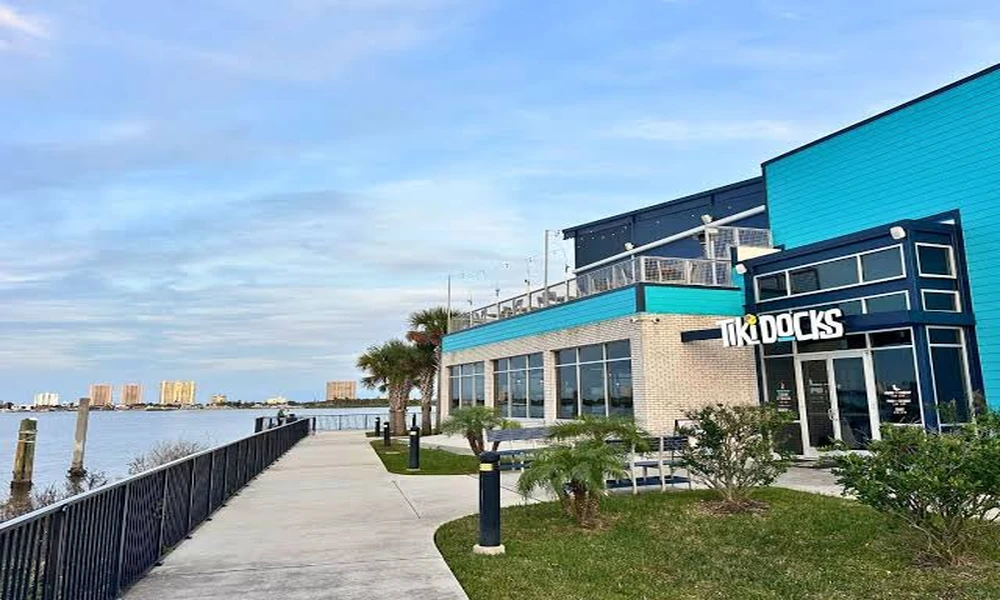
Twenty minutes. That’s how long I’ll sit in beach traffic for a table that faces the water, and I’ve never once regretted it. What I have regretted is the flip side: an hour on the road to a place with a gorgeous view and tired shrimp. So the question isn’t whether waterfront dining in Florida is nice. It’s which version of it earns your Saturday.
Here’s the short answer. A coastal table is worth the drive when three things line up at once: the kitchen buys from local boats instead of a truck from three states away, the water is actually part of the room rather than a mural on the back wall, and the timing puts you there for golden hour. Miss any one of those and you’ve paid a view tax for a mediocre dinner. Get all three and it’s the kind of night you end up describing to people for months.
That’s also why I keep circling back to places that run a market counter alongside the dining room. When you can walk past a case of fresh stone crab claws on your way to your table, something honest is happening, and a spot like waterfront restaurant in Florida sits right in that category, the kind of place where the fish on your plate and the fish in the case came off the same boat. That setup tells you more about a kitchen than any menu description ever will.
The water is the easy part. The sourcing is the hard part.
Any building on a canal can call itself waterfront. Very few can tell you where dinner swam last week.
Florida’s coastal waters produce a huge share of the domestic seafood supply, and the state’s fishing communities have been built around that for generations. The National Oceanic and Atmospheric Administration tracks and manages those fisheries, which is why so much of what lands in a Florida kitchen is genuinely local rather than imported. A restaurant hooked into that supply chain doesn’t need to oversell itself. The menu does the talking.
Stone crab is the clearest test case. The season runs through the cooler months, the claws are harvested and the crab is returned to the water, and the whole thing is regulated tightly enough that off-season claws are usually frozen and shipped in. If a kitchen is serving them in July, ask where they came from. If the answer is vague, order something else. I’d rather eat a grouper sandwich in the off months than pay premium prices for a claw that spent six months in a freezer.
You can taste the difference in texture, too. Fresh claws have a snap to them, and the meat pulls away clean. Frozen ones go a little soft and watery. And here’s a move most people skip: the mustard sauce. Mix a little into the claw meat before you eat it instead of dunking the tip. Whole different experience.
What separates a real dock from a decorated one
Plenty of restaurants have water views and no relationship with the water at all. Here’s how I sort them out before I ever get in the car.
- Look for a working dock or marina next door. Boats tied up at the property usually mean the kitchen has a short path to fresh product.
- Check whether they sell seafood by the pound. A market counter next to the dining room is a strong signal, and it also means you can take a pound of claws home.
- Read the menu for specificity. “Local catch” is fine. Naming the species and the region is better.
- Call about the seating. Upstairs, on the dock, and inside are three different evenings. Ask which tables catch the sunset and which catch the kitchen noise.
That last one matters more than people think. I’ve eaten at a place where the upstairs balcony was magic and the ground-floor dining room felt like a hotel banquet hall. Same kitchen, same menu, completely different night. Say the word “outside” when you book.
Is an Intracoastal sunset really better than an ocean view?
Yes, and I’ll take the argument.
The Atlantic is dramatic, but it’s a wall of horizon with nothing moving across it. The Intracoastal gives you a show. Drawbridges lifting for sailboats, yachts idling past, the light changing on the water every ten minutes, and at night, bridges lit up in shifting colors. It’s the difference between a painting and a parade.
Timing is the whole game here. Plan to arrive about an hour before sunset, order something cold, and let the meal build from there. If you’re making a day of it, the National Park Service runs coastal sites across the state where you can walk or kayak before you eat, which beats sitting in traffic on a causeway. My personal formula: activity in the afternoon, dock table at golden hour, stone crab and a glass of something white as the sky goes orange.
A field checklist you can actually use
Run this before you commit to a drive. It takes five minutes and saves entire evenings.
- Confirm the water is visible from the dining room, not just the parking lot. Ask which floor.
- Ask what’s local that week. A server who can answer without checking earns your trust. A shrug is your warning.
- Book the sunset window. Thirty to sixty minutes before sundown beats the middle of the afternoon by a wide margin.
- Check the seasonal calendar. Stone crab season and peak tourist season overlap in ways that affect both the wait and the prices.
- Decide on market versus menu. If the restaurant sells by the pound, you can eat in and shop after, which is the best of both worlds.
One more note on sourcing, since it’s the thing you can’t see from the table. The U.S. Department of Agriculture publishes dietary guidance around seafood, and the federal government maintains inspection standards for fish sold commercially, which is why a restaurant that buys through reputable distributors and local docks has a paper trail behind every delivery. You don’t need to interrogate anyone about it. You just need to notice whether freshness shows up on the plate.
And here’s the part that took me years to accept. The view is not the product. It’s the setting. If the food were ordinary, no sunset on earth would make me drive back. What makes a coastal meal memorable is the combination of a kitchen that respects what comes off the boat and a table that puts you right at the edge of the water while it’s still light out. That’s a narrow window and a specific kind of place, and it’s worth planning your weekend around.
So pick a day, check the tide chart and the sunset time, call ahead for the dock, and order the claws. Then tell me which one beats it, because I’m still looking for a better way to spend a Saturday.