
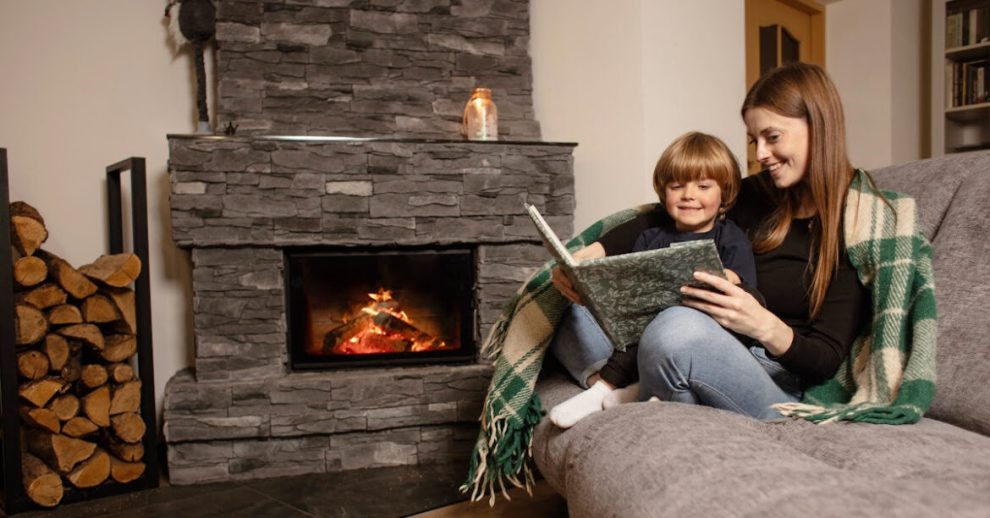

Understanding Fireplace Risks for Children and Pets
Fireplaces have long been the heart of the home, providing warmth, comfort, and a welcoming atmosphere. However, for families with young children or pets, safety becomes a paramount concern. Traditional fireplaces, while charming, pose risks such as burns, accidental contact with hot surfaces, or exposure to dangerous fumes. Fortunately, modern fireplace designs and safety innovations mean you don’t have to sacrifice warmth for peace of mind. This article explores the safest fireplace options for homes with children or pets and offers tips to create a secure, cosy environment for all.
Before choosing a fireplace or a stove heater online for your family home, it is crucial to understand the potential hazards. Children and pets are naturally curious and may not recognise danger, making them more likely to touch hot surfaces or get too close to open flames. Risks include:
- BURNS: Direct contact with glass doors, metal surrounds, or flames can cause serious injury.
- INHALATION: Smoke, fumes, or carbon monoxide can be harmful, particularly for small children and animals.
- FALLS: Raised hearths or uneven surfaces can be tripping hazards.
- INGESTION: Small fireplace accessories or debris may be swallowed by curious pets or toddlers.
With these risks in mind, selecting the right fireplace type and installing proper safety measures are essential steps for any family-oriented household.
The Safest Types of Fireplaces for Family Homes
Advancements in fireplace technology mean there are several safe options suitable for homes with children and pets. Below are the main types considered to be the safest:
1. Electric Fireplaces
Electric fireplaces are widely regarded as the safest choice for families. With no real flames, smoke, or emissions, they eliminate many of the traditional hazards associated with fireplaces. The glass fronts on electric models remain relatively cool to the touch, greatly reducing the risk of burns. Furthermore, many electric fireplaces can be mounted high on the wall, out of reach of little hands and paws. Additional benefits include easy installation, minimal maintenance, and a variety of styles to suit any décor.
2. Gel Fireplaces
Gel fireplaces use alcohol-based gel fuel, producing a realistic flame without the need for wood or gas. They emit no smoke or fumes, and the flame can be extinguished instantly. While the fuel containers should be kept out of reach, the overall design prioritises safety, making gel fireplaces a suitable option for family homes.
3. Gas Fireplaces with Sealed Glass Fronts
Modern gas fireplaces with sealed glass fronts offer the ambience of a real flame while minimising exposure to heat and fumes. The glass barrier prevents direct contact with the fire, and many models feature cool-to-touch technology. Some units can be locked or fitted with childproof safety screens, further enhancing security. It is important to ensure the fireplace has a carbon monoxide detector and proper ventilation.
4. Balanced Flue Fireplaces
Balanced flue fireplaces are a subset of gas fireplaces that vent directly outdoors, eliminating the risk of indoor air pollution. Their sealed design makes them an excellent choice for homes where air quality is a concern, and the glass front adds a layer of protection.
5. Wall-Mounted Fireplaces
Wall-mounted units, whether electric or gas, keep the heating element out of reach, reducing the risk of accidental contact. These fireplaces can be positioned at a height suitable for the household, providing both safety and style.
Fireplace Safety Features to Look For
When selecting a fireplace for a home with children or pets, prioritise these safety features:
- Cool-Touch Glass: Prevents burns from accidental contact.
- Childproof Locks: Stops children from opening doors or accessing controls.
- Automatic Shut-Off: Turns off the fireplace if it overheats or is tipped over.
- Remote Controls: Allows operation from a safe distance.
- Safety Screens: Provides a physical barrier between the flame and the room.
- Carbon Monoxide Detectors: Essential for gas fireplaces to monitor air quality.
Essential Fireplace Safety Tips for Families
Regardless of the type of fireplace you choose, implementing safety measures is crucial. Consider the following proactive steps:
- Install Barriers: Use safety gates or screens to create a buffer zone around the fireplace.
- Educate Children: Teach children about the dangers of fire and establish clear rules.
- Supervise Activity: Always supervise young children and pets when the fireplace is in use.
- Regular Maintenance: Schedule professional inspections and cleanings to ensure your fireplace operates safely.
- Store Accessories Safely: Keep matches, fuels, and fireplace tools out of reach.
- Check for Recalls: Ensure your fireplace model and accessories do not have outstanding safety recalls.
Design Considerations for a Safe, Stylish Home
Safety need not compromise aesthetics. Many manufacturers offer fireplaces designed to blend seamlessly with modern interiors, featuring sleek finishes, customisable surrounds, and discrete safety features. Consider built-in units that integrate with cabinetry or wall recesses, reducing protrusions and hazards. For a touch of luxury, opt for models with programmable timers, ambient lighting, and customisable flame effects.
Conclusion
Creating a warm, inviting home is possible without sacrificing safety. By choosing the right fireplace type—such as electric, gel, or sealed gas models—and incorporating essential safety features, families can enjoy the benefits of a hearth while protecting their loved ones. With careful planning and regular maintenance, your fireplace can be the centrepiece of your home, offering comfort, style, and peace of mind for years to come.