
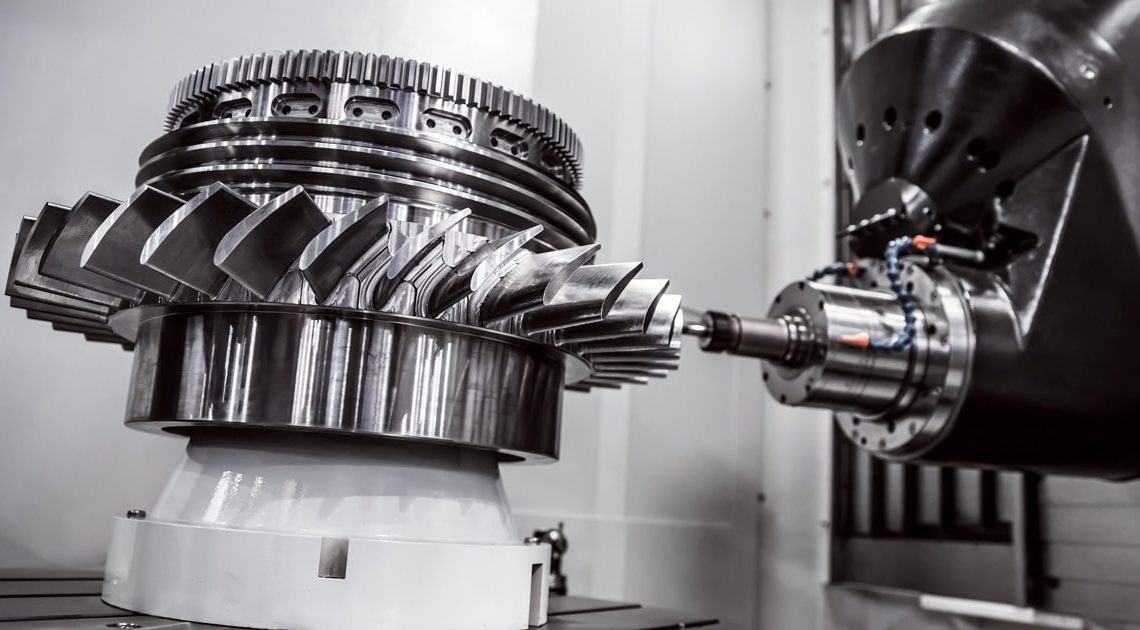
In today’s high-performance aviation industry, precision, reliability, and innovation are critical. Aerospace tooling and machining form the backbone of modern aircraft manufacturing, especially as advanced composite materials replace traditional metals in structural and aerodynamic components. From prototype development to full-scale production, specialized tooling solutions ensure that every composite part meets strict safety, performance, and regulatory standards.
The Role of Aerospace Tooling in Modern Manufacturing
Aerospace tooling refers to the molds, fixtures, jigs, and patterns used to manufacture aircraft components with extreme accuracy. In aerospace environments, tolerances are tight, materials are advanced, and repeatability is essential. Tooling must withstand high temperatures, pressure cycles, and continuous use while maintaining dimensional stability.
As aircraft manufacturers increasingly rely on carbon fiber and other composite materials, tooling systems must evolve to meet new challenges. Composite parts require precise curing environments, controlled layup processes, and molds that maintain integrity under autoclave or oven conditions. This is where specialized Composite Tooling becomes indispensable.
Why Composite Tooling Matters in Aerospace
The aerospace industry has embraced composites for their superior strength-to-weight ratio, corrosion resistance, and design flexibility. However, manufacturing composite structures demands highly engineered tooling solutions.
Composite Tooling is designed specifically for producing parts made from carbon fiber, fiberglass, and other advanced materials. These tools must:
• Maintain dimensional accuracy during high-temperature curing
• Resist thermal expansion that could distort final parts
• Provide smooth, stable surfaces for optimal layup
• Support repeatable production cycles
In aerospace programs, even minor deviations can result in costly rework or compromised performance. That’s why many leading OEMs and suppliers rely on experienced composite tooling manufacturers who understand both material behavior and aerospace standards.
Layup Molds: Precision from the First Layer
One of the most critical elements in composite production is the use of Layup Molds. These molds define the geometry of the final component and serve as the foundation for accurate fiber placement.
Layup Molds are engineered to support manual or automated fiber placement, vacuum bagging, and curing processes. Their design directly affects:
• Surface finish quality
• Fiber alignment and structural integrity
• Production efficiency
• Part repeatability
In aerospace applications, molds must accommodate complex aerodynamic shapes while ensuring that every layer of composite material conforms precisely to the intended geometry. High-quality molds reduce variability, increase throughput, and help manufacturers meet tight certification requirements.
Integrated Aerospace Tooling and Machining Solutions
Advanced aerospace tooling and machining services combine design engineering, precision CNC machining, and material expertise into a unified workflow. This integrated approach allows manufacturers to move from concept to production efficiently while maintaining strict quality control.
Key capabilities typically include:
• 3D CAD modeling and tooling design
• CNC machining of large-scale molds and patterns
• Assembly and structural reinforcement
• Dimensional inspection and validation
High-precision machining ensures that tooling components meet exact specifications. In aerospace, tooling often serves as a master reference for entire assemblies, making accuracy essential. Modern machining centers and multi-axis systems allow for complex geometries and tight tolerances that traditional methods cannot achieve.
The Importance of Experienced Composite Tooling Manufacturers
Selecting the right composite tooling manufacturers can significantly impact project timelines and product performance. Aerospace programs demand not only technical precision but also an understanding of regulatory compliance, documentation, and long-term durability.
Experienced manufacturers provide:
• Expertise in high-temperature tooling materials
• Knowledge of aerospace quality systems
• Scalable production capabilities
• Proven track records with complex aerospace components
They also collaborate closely with engineering teams to optimize mold design, minimize thermal distortion, and enhance manufacturability. This partnership approach reduces risk and ensures smooth transitions from prototype to full production.
Supporting Innovation in Aerospace Structures
As aircraft platforms evolve—whether commercial jets, military aircraft, UAVs, or space systems—the demand for advanced aerospace tooling continues to grow. Lightweight composite fuselage panels, wing structures, interior components, and engine nacelles all rely on precision tooling systems.
Emerging technologies such as automated fiber placement (AFP), out-of-autoclave curing, and hybrid composite structures further increase the need for adaptable, high-performance tooling solutions. Reliable Layup Molds and durable Composite Tooling enable manufacturers to push the boundaries of design without compromising safety or efficiency.
The future of aviation depends on innovation, and innovation depends on precision. Aerospace tooling and machining provide the foundation for manufacturing advanced composite components that meet the highest industry standards. From expertly engineered Layup Molds to high-performance Composite Tooling, the right tooling solutions ensure structural integrity, repeatability, and long-term durability.
By partnering with skilled composite tooling manufacturers, aerospace companies gain the expertise needed to navigate complex production challenges and deliver reliable, high-quality components. In an industry where accuracy and performance are non-negotiable, advanced aerospace tooling is not just a support function—it is a strategic advantage.