
Key Highlights
- Sensory-based activities help toddlers associate Mandarin words with physical actions and objects.
- Storytelling and puppetry capture the imagination, making language acquisition a natural process.
- Music and movement allow children to learn rhythm and pronunciation through catchy songs.
- Social interaction in a group setting builds confidence in using the language with peers.
Introduction
For many parents, the Nursery 2 (N2) year is the ideal time to introduce a second language in a more structured yet playful environment. At this age, children are like sponges, soaking up sounds and patterns with remarkable ease. A Chinese enrichment class for N2 is specifically designed to capitalise on this natural window of opportunity. Unlike traditional academic settings, these classes focus on building a positive relationship with the language through immersive and enjoyable experiences. By creating a space where Mandarin is associated with fun and laughter, educators can prevent the language fear that sometimes develops later in childhood. When children enjoy the process, they become more willing to participate and experiment with new words, laying a solid foundation for bilingualism that will benefit them throughout their primary school years and beyond.
Interactive Storytelling and Creative Puppetry
One of the most effective ways a Chinese enrichment class for N2 engages young learners is through the magic of storytelling. Tutors use large, colourful picture books and expressive puppets to bring Mandarin tales to life. This method allows children to follow a narrative through visual and auditory cues, even if they do not yet understand every word. By seeing a puppet speak in Chinese, the language becomes a tool for play rather than a set of rules to be memorised. Teachers often encourage children to interact with the puppets, asking them simple questions or inviting them to finish a repetitive phrase. This interaction keeps the children’s attention focused and helps them retain new vocabulary in a meaningful context. As children become familiar with these stories, they start to recognise character names and key phrases, boosting their listening comprehension skills.
Multi-Sensory Play and Hands-on Activities
Nursery-aged children learn best when they can use all their senses to explore the world. A well-designed Chinese enrichment class for N2 incorporates multi-sensory activities that make the language tangible. For instance, instead of just looking at a flashcard of the word “apple,” children might touch a real apple, smell it, and even taste it while repeating the Chinese word. Arts and crafts projects related to Chinese culture or specific vocabulary words also play a significant role. Whether it is painting a character or building a dragon out of clay, these hands-on tasks reinforce the lessons in a way that sticks. This approach ensures that the learning process is active rather than passive. When children are physically involved in an activity, their brains form stronger connections between the action and the language, making recall much more efficient.
Rhythmic Songs and Expressive Movement
Music is a universal language and a powerful tool in any Chinese enrichment tuition centre. Songs with simple lyrics and catchy melodies help children master the four tones of Mandarin, which are often the most difficult aspect for beginners. By singing along to nursery rhymes, children practice pronunciation and rhythm without feeling like they are studying. Teachers often pair these songs with specific movements or dances, known as total physical response. For example, if a song mentions jumping, the children jump. This combination of melody and motion helps with gross motor skill development while simultaneously teaching verb meanings. The repetitive nature of songs also allows for constant reinforcement of vocabulary, as children often find themselves humming the tunes and repeating the lyrics long after class has ended.
Social Interaction and Group Collaboration
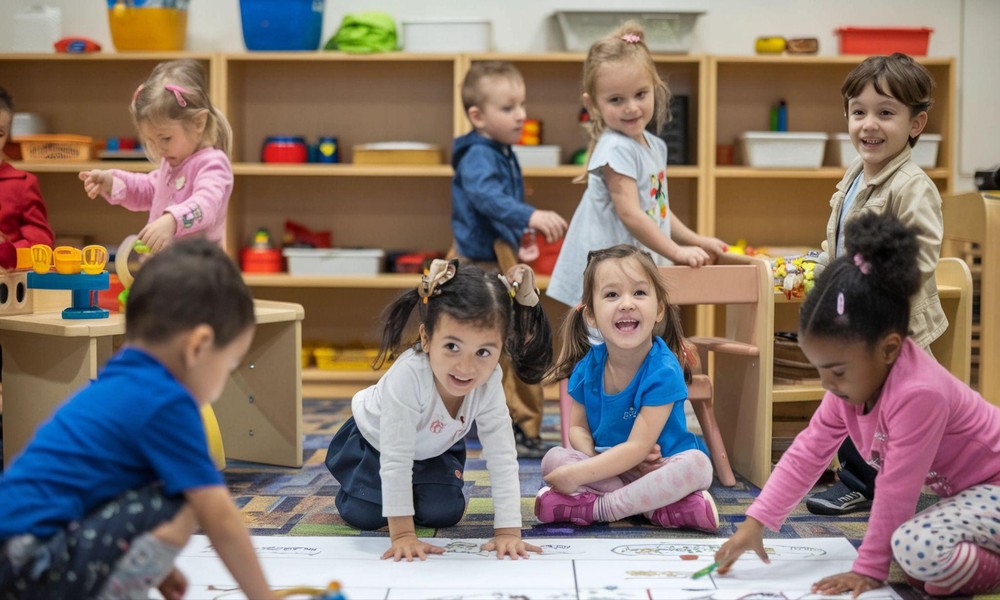
A classroom environment provides a social dimension that is difficult to replicate at home. In a Chinese enrichment class for N2, children are encouraged to interact with their peers using basic Mandarin phrases. Small group games and collaborative tasks teach them how to take turns, share, and communicate their needs in a second language. This social setting is crucial for building confidence. When a child sees their friends trying to speak Mandarin, they feel more comfortable doing the same. Teachers facilitate these interactions by creating role-play scenarios, such as a pretend market or a doctor’s visit, where children can use the words they have learned. These early social successes build a sense of achievement and encourage a child to view Mandarin as a functional, living language used for connecting with others.
Conclusion
Starting the journey of language learning at the Nursery 2 level provides children with a significant head start. By focusing on play, music, and social interaction, these enrichment classes ensure that the first encounter with Mandarin is filled with joy. This positive reinforcement is key to developing long-term interest and proficiency. As children grow, the confidence they gained in these early classes will support them through more formal academic challenges. Choosing an engaging environment for a child’s first steps in Chinese is an investment in their future cognitive and cultural development.
Contact Hua Language Centre to spark a lifelong love for Mandarin in your child.