
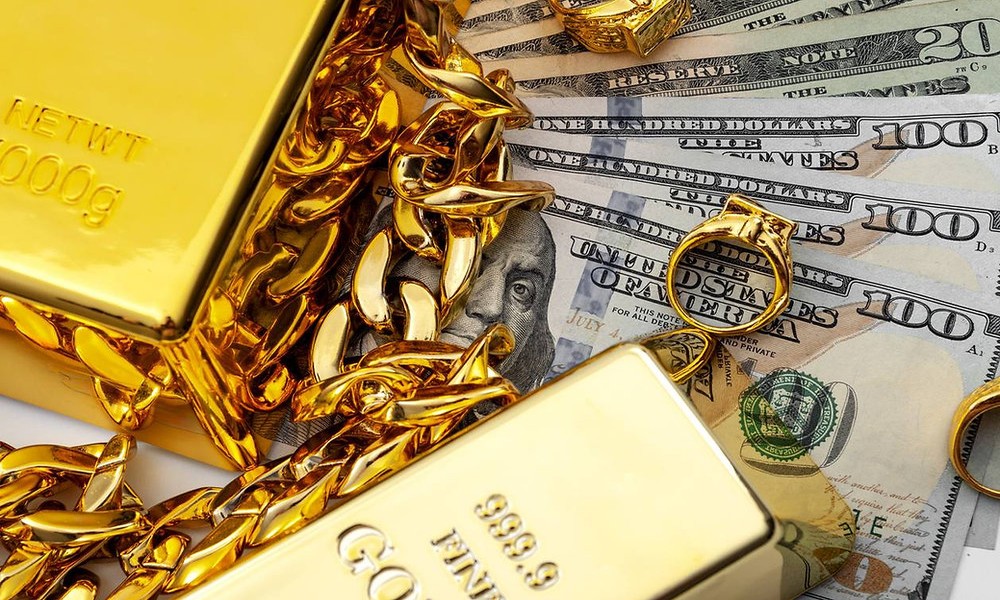
Selling gold bullion might sound simple-walk into a dealer, hand over the metal, and collect the money. But if your goal is to sell gold bullion for the best possible return, the process becomes more strategic.
Why do some sellers walk away with significantly more money than others for the same amount of gold?
The answer often lies in preparation.
Are You Selling the Right Type of Gold?
Gold bullion usually comes in two forms: bars and coins. Both are valued primarily for their gold content, but certain coins can sometimes command small premiums depending on demand, rarity, or brand.
Who Are You Selling To?
Not all buyers operate the same way. Some businesses purchase gold mainly for refining, while others resell bullion to investors. This difference can influence pricing.
Specialist bullion dealers typically base their offers very close to the global gold price, often subtracting a small margin. Pawn shops or general buyers may offer slightly lower prices because they are not focused exclusively on bullion trading.
Compare offers from multiple buyers before deciding where to sell gold bullion
Sometimes a quick comparison can increase your payout more than you might expect.
Know the Current Gold Price
Gold is traded globally, and its price changes constantly throughout the day. If you walk into a buyer without checking the current rate, you may have little idea whether the offer is competitive.
Most experienced sellers check the spot price before they sell gold bullion, so they have a clear baseline for evaluating offers.
This doesn’t mean you will receive the exact market price, but it helps you understand how close the buyer’s offer is to the global rate. However keep in mind that even when two buyers follow the same market price. This is because buyers apply different margins. Some deduct small handling or refining costs, while others simply offer a percentage below the spot price.
Understanding these margins can make a surprising difference in your final payout.
Here’s a trick many experienced sellers will apply is to time the Market.
Gold has fascinated investors for centuries. It holds value, resists inflation, and often rises during uncertain economic times.
So, when is the best time to sell gold bullion?
The answer isn’t always obvious. But the good news is that gold does have a “Perfect” Selling Moment?
At first glance, it might seem logical to wait for gold prices to reach their absolute peak. But here’s the challenge: how do you know when the peak has arrived?
Gold prices fluctuate constantly based on global events, economic trends, inflation fears, and investor demand. Because of this, predicting the exact top of the market can be extremely difficult.
So rather than chasing the perfect moment, many investors focus on recognizing favourable conditions before they sell gold bullion.
Gold often performs well during periods of economic uncertainty. Prices tend to rise when:
- Inflation increases
- Stock markets become volatile
- Interest rates change
- Global conflicts or economic concerns grow
During these periods, investors often move money into gold as a safer asset. This increased demand can push prices higher.
Interestingly, gold sometimes follows seasonal patterns.
Demand for gold jewellery and bullion often rises before major holidays and cultural celebrations in various parts of the world. Increased demand during these periods can sometimes push prices slightly higher.
While these patterns are not guaranteed, experienced sellers sometimes pay attention to these cycles when planning their sales.
However, in the end, the best moment to sell often depends on your goals.
- Are you selling to lock in profits?
- Do you need immediate funds?
- Or are you simply adjusting your investment strategy?
Once you understand your reason for selling, it becomes easier to decide when to sell gold bullion. The point is sometimes the best time to sell should align with your financial goals.